





Sage Dental Specialists · Wisma Atria, Orchard

Specialist Gum Treatment & Dental Implants

Dr Darrell Ong is a periodontist. He specialises in the health of your gums and the tissues supporting your teeth. His first priority is always to help you keep your natural teeth, whenever possible.

When a tooth truly cannot be saved, he's trained to replace it with a dental implant, and take care of it for years to come.

Gum check

Do your symptoms point to gum disease?

Eight quick questions — about a minute. This is not a diagnosis, but it will tell you whether what you are noticing matches the signs periodontists treat, and what a sensible next step looks like.

What brings you here today?
When you brush or floss, do you notice any of these? Select all that apply.

Why we ask: healthy gums do not bleed with normal brushing or flossing. Bleeding is inflammation’s earliest, quietest signal — and because gum disease rarely hurts early on, it is often the only one.

Have your gums or teeth changed shape or position?

Why we ask: longer-looking teeth, drifting and new gaps happen when the gum and bone under the surface are changing — the ground the teeth stand in.

Do any teeth feel loose when you chew?

Why we ask: looseness is the strongest everyday sign that a tooth’s support is being lost. It deserves an assessment soon — not someday.

Any swelling or pain in the gums?

Why we ask: a recurring pimple-like swelling usually drains an infection underneath — it does not settle by itself. Painful swelling with fever deserves same-day attention — and with any difficulty swallowing or breathing, go to A&E now.

Do any of these apply to you? Select all that apply.

Why we ask: smoking and diabetes are the two biggest risk multipliers for gum disease — and smoking also masks the bleeding that would normally warn you. Context, not a verdict.

Are any teeth missing?

Why we ask: a gap changes how the neighbouring teeth take load — and if an implant is on your mind, the health of the gums decides when it can go ahead.

How long has this been going on?

Why we ask: gum disease progresses quietly over months and years, and signs that keep returning rarely settle on their own. Long-standing is not the same as too late — but it is a reason to look now.

What your answers can mean

Painful gum swelling with fever deserves same-day attention — call us today. Go to A&E now if you also have difficulty swallowing or breathing, trouble opening your mouth, or the swelling is spreading towards your eye or neck.

If your dentist has referred you:

Your dentist has already answered this one.

A referral means a dentist has examined your gums — or an implant site — and concluded they need specialist care. The next step is simple: send us the referral letter and any X-rays by WhatsApp, and we can prepare before you visit. Your gums are charted tooth by tooth at the assessment, and every option is explained with an itemised fee breakdown before anything begins.

If an implant of yours feels different lately:

An implant that feels different deserves an early look.

Bleeding, tenderness or a change around a dental implant can be peri-implantitis — inflammation of the gum and bone that hold the implant, effectively gum disease around it. Left alone it quietly costs the implant its support; caught early, it is very treatable.

Treating the tissues around implants is periodontal work, and Dr Ong sees implant patients wherever the implant was originally placed. An examination and an X-ray will show what is happening.

If one or more of the strong signs applies — teeth that feel loose or have shifted, gums pulled back around a tooth, a recurring swelling on the gum:

Your signs match the ones a periodontist treats.

Bleeding that keeps returning, gums pulling back, new gaps, teeth that feel loose, a swelling that comes and goes — these are the classic signs that the support around teeth is inflamed or being lost. They rarely settle on their own, and they are exactly what a periodontist assesses and treats.

Only an examination can confirm what is happening: your gums are charted tooth by tooth and imaging shows the bone underneath — a precise map of where support is healthy and where it needs help. The earlier that map is made, the simpler the treatment tends to be.

If a few of the milder signs apply — some bleeding, redness, or risk factors like smoking or diabetes:

Worth having your gums assessed.

Some of your answers suggest early inflammation — the stage where gum disease is at its most treatable. Caught as gingivitis, it can usually be fully reversed with professional cleaning and the right home care. What an assessment adds is certainty: charting and imaging show which side of that line your gums are on.

You can start with your regular dentist, or come straight to us — a referral is not required.

If none of the signs apply:

Nothing here points strongly to gum disease.

Your answers don’t include the classic signs of gum trouble, so regular check-ups and cleanings with your dentist are the sensible way to keep it that way.

One note: if you have a missing tooth you’d like to replace, that conversation is worth having even with healthy gums — a long-standing gap changes how the neighbouring teeth take load, and implant planning starts with the gums.

Keep an eye on the signs that change the picture: bleeding when you brush, gums that look longer, new gaps, a tooth that feels loose, or a swelling that comes and goes. If any of these appear, that’s the moment to have your gums assessed.

Questions about your gums anyway? WhatsApp us — we’re happy to help.

This gum check is general information to help you decide on a next step — it isn’t a diagnosis, and it can’t replace an examination with charting and X-rays. If you are in severe pain, seek care the same day. If swelling is spreading, or you have fever or any difficulty swallowing or breathing, go to A&E now.

Referred by your dentist?

A referral letter is a good sign, not a bad one.

It means your dentist wants your gums — or an implant site — looked after with specialist equipment and specialist hands. Dr Darrell works alongside your dentist: he treats the gum condition or places the implant, and your dentist continues your ongoing care.

No referral? No problem. A referral letter is not required — direct appointments are welcome.

  1. Send us your referral letter and any X-rays by WhatsApp — we can prepare before you visit.
  2. At the assessment, your gums are charted tooth by tooth and every option is explained, with an itemised fee breakdown.
  3. Treatment is planned — gum treatment, grafting, crown lengthening or implant work — and where suitable, started early.
  4. Your dentist receives a full report, and your continuing general care stays with them.
Dr Darrell Ong, periodontist at Sage Dental Specialists

Your specialist · Singapore Dental Council

Dr Darrell OngRegistered Specialist in Periodontics

Periodontist — a dentist with postgraduate specialist training in the gums and bone that hold your teeth: treating gum disease, rebuilding lost support, and placing and maintaining dental implants.

Dr Darrell holds his Bachelor of Dental Surgery from the National University of Singapore and his Master of Science in Periodontics from Columbia University College of Dental Medicine in New York. He is a Diplomate of the American Board of Periodontology, a Fellow of the Royal College of Dentists of Canada — American and Canadian board-certified in periodontology and implant dentistry — a Fellow of the Academy of Medicine, Singapore, and tutors part-time in the Periodontics department at NUS. He is one of the few clinicians trained across the whole arc: keeping teeth, replacing the ones that cannot stay, and caring for both. Dr Darrell can converse in English and Mandarin. Read Dr Darrell’s full profile.

One specialist, both paths

Two paths, one goal: Maintaining a Healthy Smile

First, we focus on saving the natural tooth, whenever possible. When a tooth cannot be saved, we'll explain why and discuss the next steps. With expertise in both periodontal care and dental implantology, Dr Darrell can also help replace a tooth when needed.

Illustration: a tooth standing in a tended garden — gum treatment as care of the ground it stands in

If your teeth can be kept

Treatment focuses on controlling gum disease and restoring the health of the gums and supporting bone:

  • Comprehensive periodontal assessment and gum charting
  • Deep cleaning (scaling and root planing)
  • Laser-assisted periodontal treatment, where appropriate
  • Gum and bone regeneration, grafting and crown lengthening, when needed
  • Supportive maintenance to keep your gums healthy

Gum treatment, step by step ↓

Illustration: a dental implant planted like a sapling between two teeth

If a tooth cannot be saved

When a tooth cannot be saved, replacing it is only part of the process. Healthy gums and sufficient bone are important for supporting a dental implant, which is where periodontal expertise comes in: 

  • Digital planning on 3D (CBCT) imaging
  • Bone grafting or sinus lift, where needed
  • Implant placement under local anaesthesia
  • Restoration coordinated with your general dentist
  • Periodontal care that maintains the health of the implant and surrounding tissues 

Already have an implant that worries you? ↓

Not every tooth can be kept, and not every gap needs an implant. What you get either way is an honest prognosis at the assessment — which path, why, and what it involves — before anything is decided.

The equipment

What makes specialist gum and implant care different.

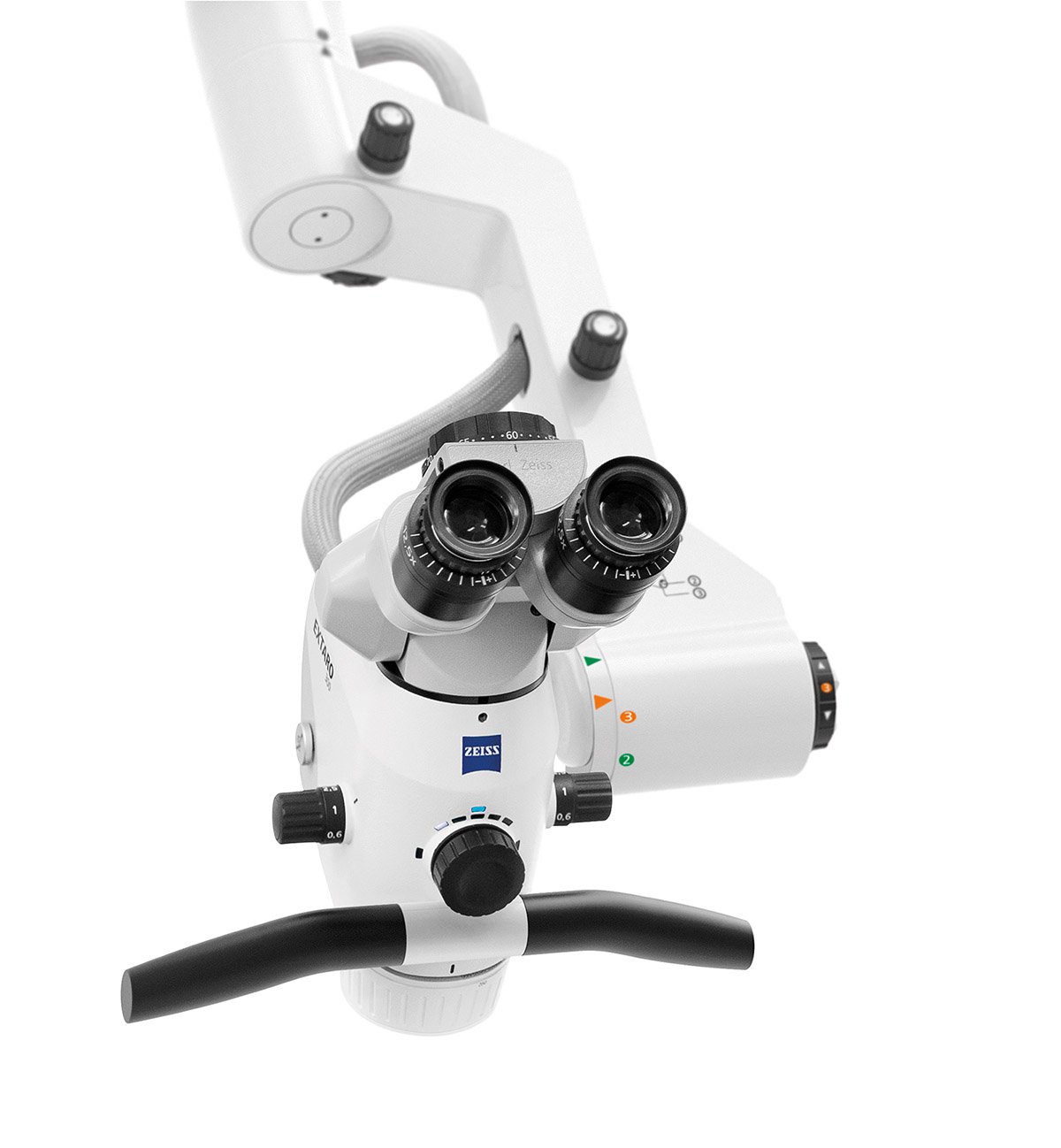
Technology · 01

Magnification for periodontal microsurgery.

For selected gum grafting and regenerative procedures, magnification and fine microsurgical instruments may be used within a small treatment field. Whether a microsurgical approach is suitable depends on the procedure and treatment site.

Technology · 02

Imaging that sees the bone.

Gum disease and dental implant planning both depend on understanding the bone supporting the teeth. Low-dose digital X-rays track help support the bone around every tooth, and 3D cone-beam (CBCT) imaging maps bone volume in three dimensions before any implant is planned. This allows treatment to be planned based on the patient’s actual anatomy. 

Technology · 03

Planned digitally, placed precisely.

The implant’s position is decided before surgery begins — planned digitally against the CBCT scan, with a surgical guide where the case calls for one. The aim is an implant placed where the bone, the bite and the final tooth all agree it should be.

Technology · 04

Technology · 01

Laser-assisted periodontal treatment.

Alongside deep cleaning, laser energy is directed into the periodontal pockets to target inflamed tissue and help reduce bacteria in areas that can be difficult to reach with instruments alone. It is used as an adjunct where appropriate, based on each patient’s needs. 

What to expect · A day in the practice

Gum treatment, step by step.

No mystery, no surprises — swipe or scroll through the path, from assessment to a mouth that is stable and maintained.

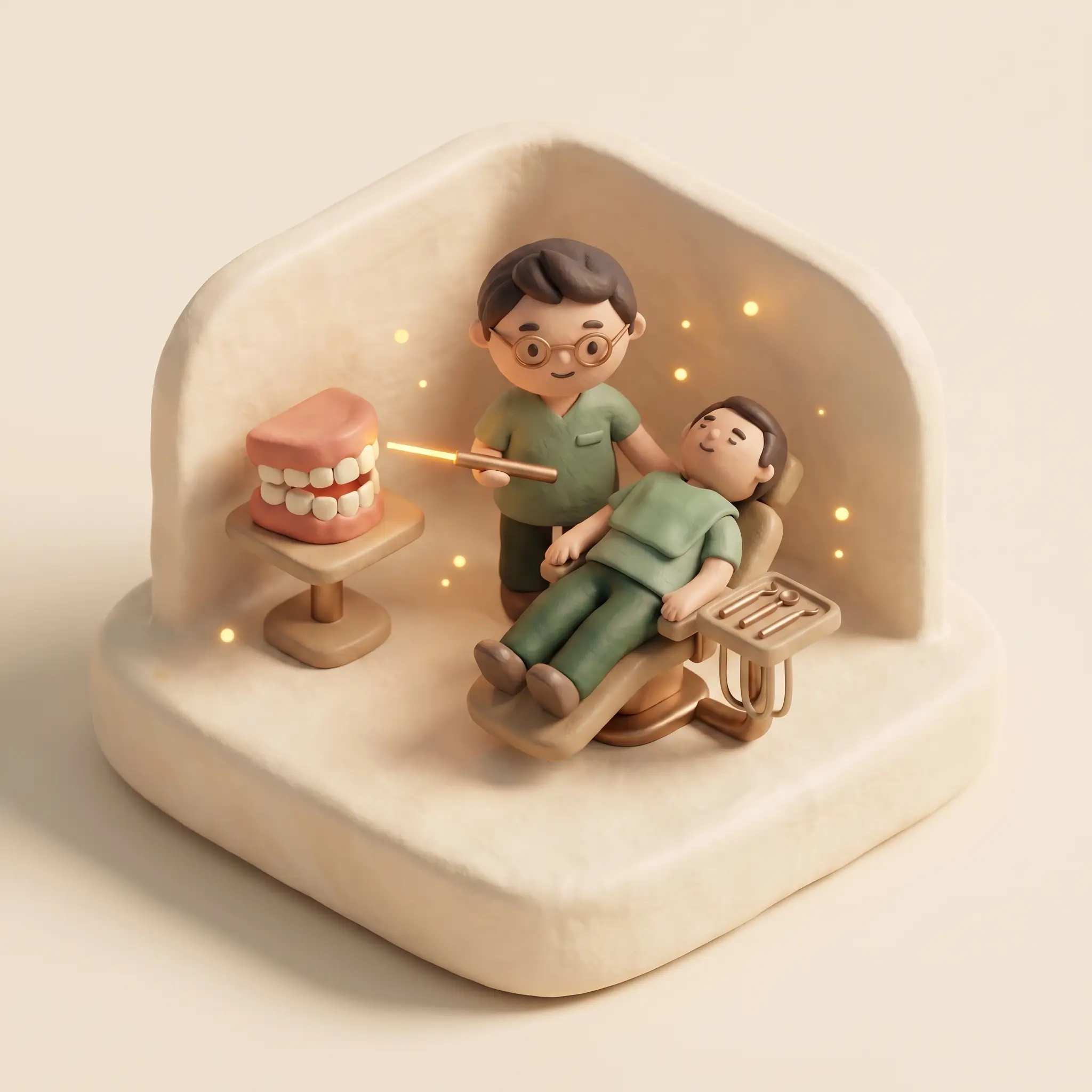
Welcome — miniature diorama of Dr Darrell's routine
Assessment — miniature diorama of Dr Darrell's routine
Treatment — miniature diorama of Dr Darrell's routine
Rebuild — miniature diorama of Dr Darrell's routine
The implant — miniature diorama of Dr Darrell's routine
Maintained — miniature diorama of Dr Darrell's routine
Make an appointment
01 — WELCOME

Come in. Let’s talk about your gums.

Gum treatment here follows the same unhurried path every time. Follow it through the practice — six scenes, from the initial consultation to a mouth that is healthy, stable and well cared for. 

Wisma Atria, Orchard Referrals & direct appointments

02 — STEP 1 · THE ASSESSMENT

First, the full picture.

We start by understanding what you have noticed and what your general dentist has told you. Then a full periodontal examination: the pocket depth around every tooth is measured and charted, and imaging shows what is happening in the bone underneath. Your findings are explained clearly, together with an itemised fee breakdown before treatment begins. 

Gum-by-gum chartingImaging reviewed togetherItemised fees explained
03 — STEP 2 · TREATMENT

A deep clean, and then some.

Deep cleaning — scaling and root planing — removes the deposits driving the disease from the root surfaces, under local anaesthesia where needed, usually one section of the mouth at a time. Where appropriate, laser-assisted treatment may be used alongside deep cleaning to help target inflamed tissue and bacteria within the periodontal pockets.

Deep cleaningLAPT laser, where suitable
04 — STEP 3 · REGENERATION & REPAIR

Rebuilding support where possible.

When gum disease has caused the loss of gum or bone support, certain procedures may help restore it — bone grafting, gum grafting for receded areas, regenerative procedures, or crown lengthening where a tooth needs it. And if a tooth truly cannot be saved, we’ll explain why and discuss whether replacing it with a dental implant may be an ideal option. 

Gum & bone graftsImplants, where needed
05 — IF A TOOTH IS MISSING · THE IMPLANT

If a tooth is missing: the implant 

Where a tooth is already missing — or truly cannot be saved — a titanium implant is placed into prepared bone under local anaesthesia, guided by the digital plan, and left to heal before the crown is fitted. As a periodontist, Dr Darrell can also assess and care for the gums and bone supporting the implant throughout the process.

Digitally plannedHealing, then the crown
06 — STEP 4 · MAINTENANCE

Long-term care matters.

Gum disease is something that needs ongoing care, even after active treatment is complete. So treatment ends with a maintenance plan: supportive cleaning visits at intervals set for your gums, home-care coaching that fits how you actually brush, and reviews that catch change early. Dental implants are maintained the same way.

Maintenance recallsHome-care plan

Not every tooth can be saved, and not every missing tooth needs an implant. The optimal approach depends on the condition of the tooth, gums and supporting bone. Dr Darrell will assess your situation and give you a clear, honest recommendation — including when an implant may be an ideal option. 

That is the whole path, start to finish.If your gums need it, the next step is a periodontal assessment at Wisma Atria, Orchard.

Illustration: a care crew tending an established dental implant

Already have an implant?

Implants can develop gum problems of their own — and they are treatable.

An implant that bleeds, feels tender or seems different lately may have peri-implantitis: inflammation of the gum and bone around it — effectively gum disease around an implant.

Left alone, it quietly costs the implant its support; caught early, it is very treatable. Treating the tissues around implants is periodontal work, and Dr Darrell sees implant patients wherever the implant was originally placed. If yours is worrying you, have it reviewed — early matters.

From our clinicians

Watch: gum disease and dental implants, explained.

Short explainers recorded by Dr Darrell — on what gum disease is, and on what dental implant treatment involves.

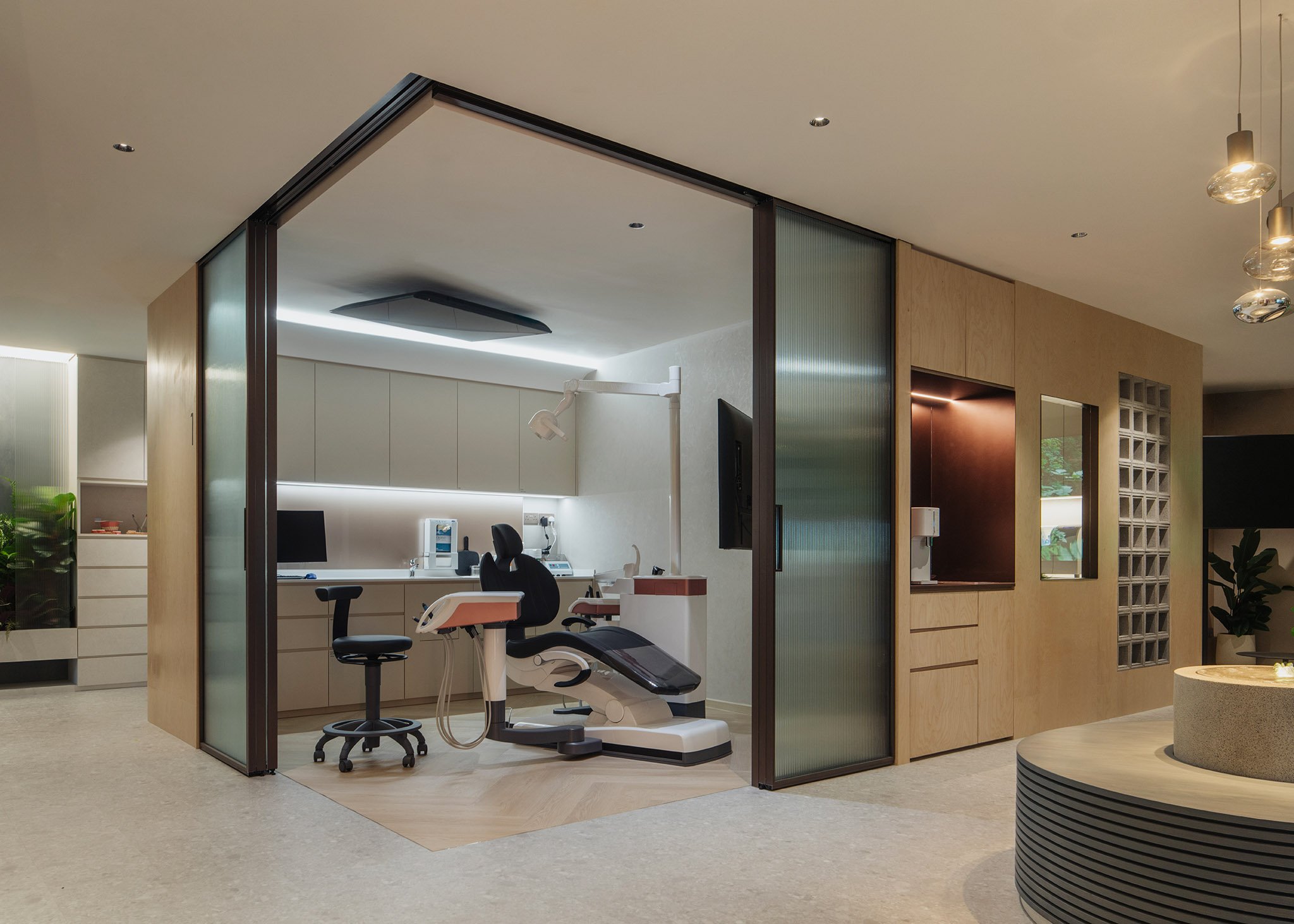
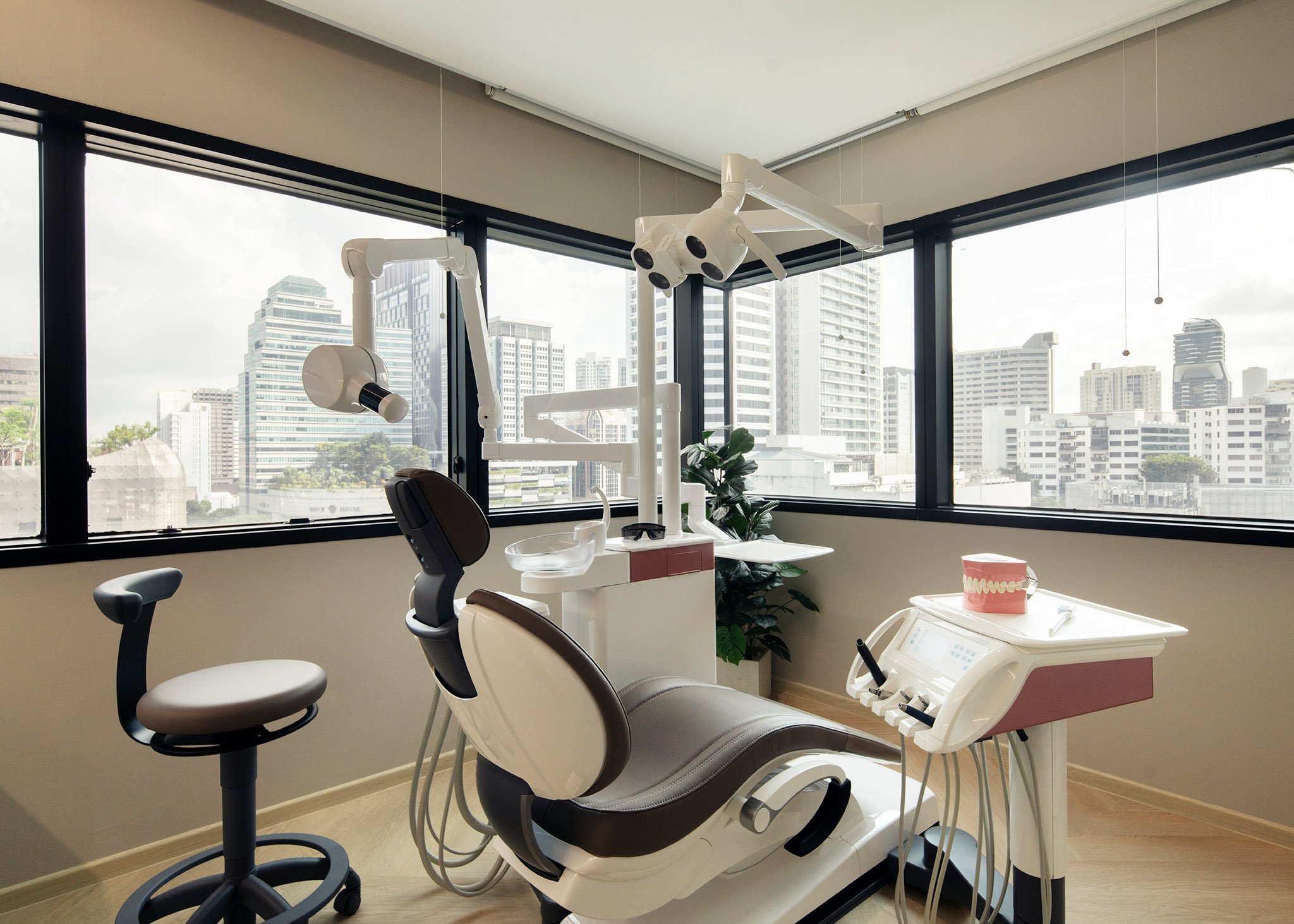
The clinic

Calm by design.

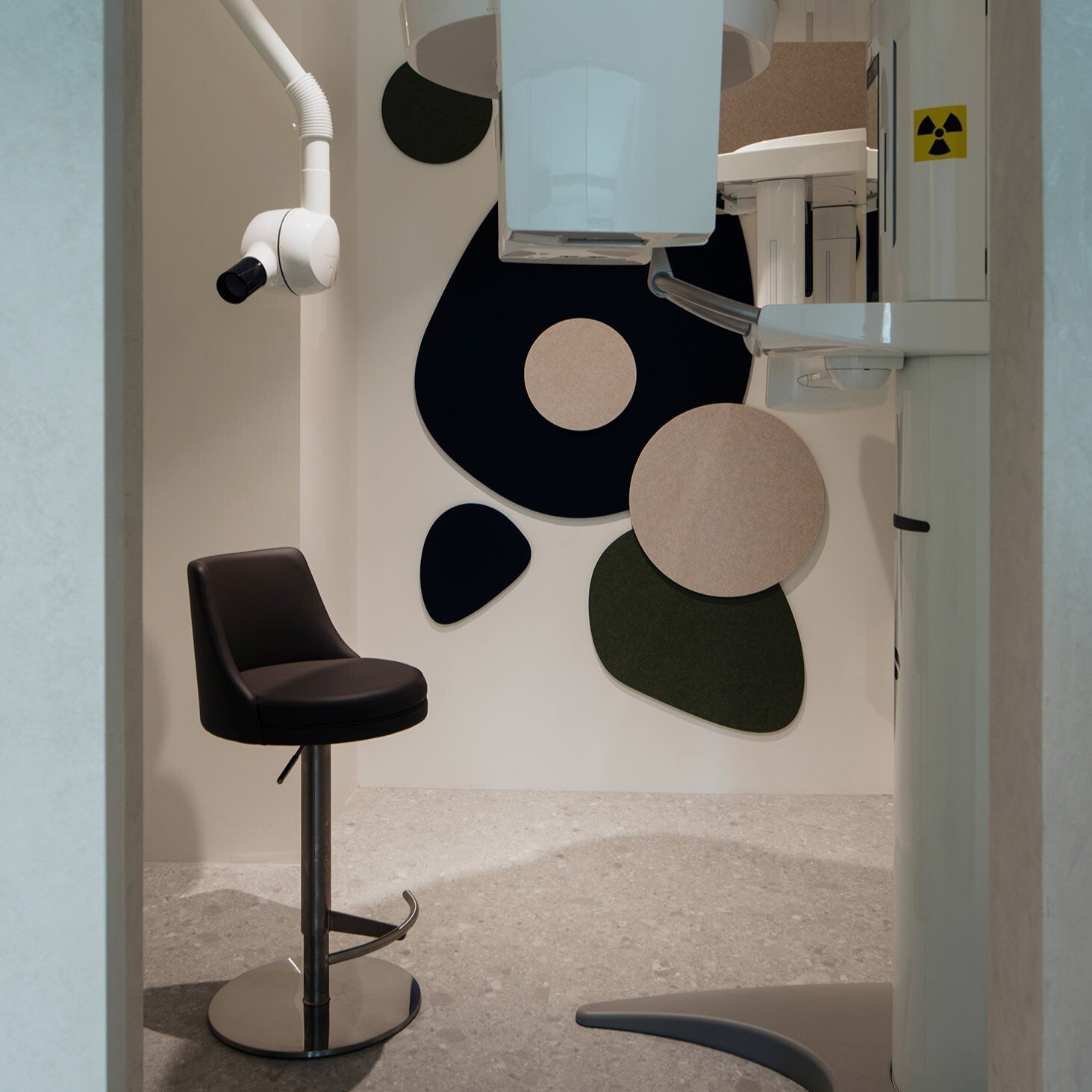
A specialist clinic on the 12th floor of Wisma Atria — quiet, unhurried, and equipped for periodontal and implant work.

updateddesig-2
DentalDesignsClinicOrchard-22a
DentalDesignsClinicOrchard-18a
A treatment room at the Orchard clinic, seen from the lounge
A treatment room looking out over Orchard Road

Questions

Gum and implant questions, asked at almost every consultation.

Seeing a specialist4 questions
What is a periodontist, and when should I see one?

A periodontist — often called a gum specialist — is a dentist with postgraduate specialist training in the gums and bone that support your teeth. Your general dentist can manage many common gum problems; a specialist referral usually happens when gum disease is more advanced, when gum pockets persist after cleaning, when gums are receding, or when treatment involves surgery, regeneration or dental implants.

You can also book a periodontal assessment directly if you recognise the signs — bleeding or swelling of gums, loose teeth — and would like a specialist assessment

My dentist referred me for gum treatment. What does that mean?

It means your dentist has spotted something that deserves specialist attention — usually deeper pockets, bone loss on an X-ray, or gums that keep bleeding after regular cleaning. A referral is a good sign: gum disease caught and treated early is far simpler to manage. Dr Darrell works alongside your general dentist — he treats the gum condition, and your dentist continues your general dental care.

What happens at the first periodontal assessment?

Dr Darrell reviews your history and any referral notes, examines your gums, and charts the pocket depth around each tooth. This creates a detailed picture of where your gums and supporting tissues are healthy and where there may be inflammation or loss of support.

Imaging such as dental x-rays may also be taken to assess the bone beneath the gums. By the end of the visit, you'll have a clear explanation of what was found, the options available, and an itemised breakdown of fees before any treatment begins.

Do I need a referral letter?

No. You can make an appointment directly with Dr Darrell without a referral letter. Referrals from dentists are welcome and helpful, but a referral letter is not required. If you do have a referral letter or recent X-rays, send them to us by WhatsApp before your visit and we can prepare before you arrive.

Gum disease & treatment5 questions
Are bleeding gums normal?

No — healthy gums do not bleed with normal brushing or flossing. Bleeding is usually a sign of inflammation: gingivitis in its early, reversible stage, or periodontitis once the supporting bone is involved. Gum disease often causes little or no pain in its early stages, so bleeding may be one of the first signs you notice. If your gums bleed regularly, it’s worth having them assessed rather than ignoring it. 

Can gum disease be cured?

Gingivitis — the early stage — can usually be reversed with professional cleaning and good home care. Periodontitis, where bone support has been lost, cannot be reversed, but it can very often be stopped and kept stable: treatment removes the infection, and supportive maintenance keeps it from returning. What has been lost can sometimes be partly rebuilt with regenerative procedures. The honest goal is control and stability, and Dr Darrell will inform you what is realistic for your gums.

What is deep cleaning, and how is it different from regular scaling?

Regular scaling and polishing cleans the tooth surfaces above and just below the gum line. It is part of routine dental care and maintenance. Deep cleaning (scaling and root planing) goes further: it cleans the root surfaces inside the deeper pockets that form in gum disease, removing the hardened deposits that keep the gums inflamed. It is done under local anaesthesia where needed, usually one section of the mouth at a time.

What is laser-assisted periodontal treatment (LAPT)?

LAPT uses a dental laser alongside deep cleaning. The laser energy is directed into the periodontal pocket to target inflamed tissue and help disinfect areas that instruments alone find hard to reach. It is an adjunct, not a replacement — the mechanical cleaning still does the main work —  and Dr Darrell will advise whether it's likely to add value in your specific case.

Can antibiotics cure gum disease?

No, antibiotics cannot cure gum disease on their own. Gum disease is driven by organised bacterial deposits attached to the root surfaces — a biofilm that antibiotics cannot clear, because it physically shields the bacteria. Removing those deposits is the treatment. Antibiotics have a specific supporting role in some cases, prescribed alongside cleaning, but a course of antibiotics without treatment postpones the problem rather than fixing it.

Recession & surgery3 questions
Do receding gums grow back?

Not on their own — gum tissue that has receded does not regrow. What treatment can do is stop the recession getting worse and, in suitable cases, cover exposed roots with a gum graft, where tissue is used to rebuild the gum over the root. Whether grafting will work for a particular tooth depends on why the gum receded in the first place and how much support remains around it — which is exactly what a periodontal assessment helps establish.

What is gum grafting?

Gum grafting rebuilds gum tissue where it has been lost — most often to cover exposed roots, thicken fragile gum tissue, or improve the gum around teeth and implants. Tissue is usually taken from the roof of the mouth or an adjacent site and secured where it is needed. It is a routine periodontal procedure carried out under local anaesthesia, and Dr Darrell explains the options, what to expect and the aftercare before anything is planned.

What is crown lengthening?

Crown lengthening reshapes the gum, and sometimes a small amount of bone — to expose more of the tooth. It may be recommended for practical reasons, for example, when a tooth is broken close to the gum line and more tooth structure needs to be exposed for a crown or filling. In some cases, it can also be used to improve the appearance of a gummy smile. It is a minor surgical procedure done under local anaesthesia.

Dental implants4 questions
Can I get dental implants if I have gum disease?

Yes — but the gum disease is treated first. Dental implants rely on the same gums and bone that natural teeth do, and placing an implant into a mouth with active gum disease significantly raises the risk of infection around the implant later. This is exactly why seeing a periodontist for implants makes sense: Dr Darrell treats the gum condition, rebuilds support where needed, and places the implant once the foundations are stable.

Do I need a bone graft for my implant?

You do not always need a bone graft for dental implants. An implant needs enough healthy bone to hold it. Where bone has been lost to gum disease, infection or the time since an extraction, a graft rebuilds it. Some grafts are small and done at the same time as implant placement; larger ones, or a sinus lift for the upper back teeth, are staged first.

A CBCT scan provides a three-dimensional view of the available bone, helping Dr Darrell determine whether grafting is needed and how the implant should be planned. 

How long do dental implants last?

Dental implants can function well for many years and, in some cases, for decades. However, no responsible clinician can guarantee that an implant will last a lifetime. What determines an implant's lifespan, more than anything, is the health of the gums and bone around it.

Dental implants can develop gum disease of their own (peri-implantitis), and if left untreated, it is a major reason why implants are lost. Regular maintenance, good home care and addressing problems early can all help protect the health of your implant. 

What is peri-implantitis?

Peri-implantitis is inflammation of the gum and bone around a dental implant. It is effectively, gum disease around an implant. It usually shows as bleeding, tenderness or swelling around the implant, and on an X-ray as bone loss. Caught early, it is treatable, and a periodontist treats it regardless of where the implant was originally placed. If one of your implants bleeds or feels different, have it reviewed — catching it early matters.

Cost & payment3 questions
How much does gum treatment or a dental implant cost in Singapore?

The cost depends on how advanced the gum disease is, how many areas need treatment and, for implants, whether grafting is needed. Our fee guide below keeps consultation, charting and imaging itemised, then groups published starting points for non-surgical gum care, gum surgery and regeneration, implant site preparation and dental implant placement. They are not package prices or treatment totals. After assessment, every quotation is itemised line by line before treatment begins.

Can I use Medisave for gum surgery or dental implants?

Sage Dental Specialists is a Medisave-accredited clinic. Surgical procedures — including dental implant surgery and bone grafting — are Medisave-claimable under their own procedure codes. Routine non-surgical treatment such as scaling or deep cleaning is not Medisave-claimable. The exact claimable amount depends on the procedure, and we check your eligibility and confirm the figures with you before treatment begins.

What insurance do you accept?

We work with a range of dental insurers and corporate benefit schemes, and how each plan is handled depends on the insurer and the plan itself. Send us your benefit card or policy details and the team will check your coverage before your visit. CHAS and Medisave details are on our payments and insurance page.

Still have a question?Ask us directly — the team can answer before you book, and Dr Darrell answers the clinical ones.

Fees

Gum treatment and dental implant fees in Singapore.

The guide below keeps consultation, charting and imaging itemised, then groups related treatments and shows selected published starting fees. These are not package prices or treatment totals: different procedures have different fees, and more than one item may apply. After assessment, your quotation is itemised before treatment begins.

Specialist consultationFrom $272.50
Examination and diagnosis with the periodontist
Periodontal chartingFrom $109
Pocket depths measured around every tooth — the baseline later visits are compared against
Diagnostic imaging$38.15 – $337.90
Peri-apical or bitewing X-ray, a full panoramic scan, or a 3D (CBCT) scan where implant planning needs one
Non-surgical gum care and maintenanceFrom $272.50
Deep cleaning (scaling and root planing), Airflow cleaning, laser-assisted periodontal treatment (LAPT) and supportive periodontal maintenance. Fees may be per visit, tooth or section of the mouth. Published starting points include $272.50 for supportive periodontal maintenance and $959.20 for LAPT per section.
Gum surgery and regenerationFrom $1,308
Periodontal surgery, gum grafting, gum and bone regeneration (guided tissue regeneration), crown lengthening, gummy smile surgery and lip repositioning. Some procedures are priced per tooth or treatment site. Published starting points include $1,308 for crown lengthening and $6,540 for gummy smile surgery.
Implant site preparation and existing implant careFrom $1,362.50
Socket preservation, bone grafting (guided bone regeneration), sinus lift and treatment around an existing implant (implant maintenance). These are separate procedures and may be carried out in stages. Published starting points include $1,362.50 for implant maintenance and $4,360 for an external sinus lift.
Dental implant placementFrom $3,270 / implant
Fixture placement for a back tooth starts from $3,270 and for a front tooth from $3,815, per implant. The crown or other restoration is quoted separately once planned with your dentist. Bone grafting or a sinus lift, if needed, is also itemised separately.

Fees are in Singapore dollars and include 9% GST. Amounts shown are starting points, not package prices. Your final fee depends on the treatment required; an itemised quotation is provided after assessment.

Using Medisave

Routine, non-surgical gum treatment is not Medisave-claimable. Surgical periodontal procedures are — including dental implant surgery, bone grafting and gum surgery, each under its own procedure code. Procedures carried out purely to change the appearance of the gums are not claimable.

Eligible treatment categoryMediSave surgical withdrawal limit
Gum surgery and periodontal regeneration$420–$1,390
Bone grafting or sinus lift$1,120–$2,380
Dental implant surgeryUp to $1,120 per implant inserted; $490 per implant removed

These are MediSave withdrawal limits, not treatment fees. Your claim depends on the procedure code, eligibility and available balance. GST is payable separately. We will confirm the applicable amount before treatment.

Ways to pay

CHAS, Medisave and most dental insurance — with direct billing for many insurers. Everything is on one page, so you can check before you visit.

Want to know what your treatment would involve?Send your referral letter and any X-rays and we can prepare before you visit.

Sage Dental Specialists

To make an appointment, call or WhatsApp us.

435 Orchard Road, #12-04 Wisma Atria Office Tower, Singapore 238877
Above Orchard MRT (NS22 / TE14) via Exit 3 · parking in the same building

Monday to Friday 9am – 6pm · Saturday 9am – 1pm · closed Sundays and public holidays

Referring dentist? Visit our referring dentists page.

© Sage Dental Specialists · 435 Orchard Road #12-04, Wisma Atria Office Tower, Singapore 238877